
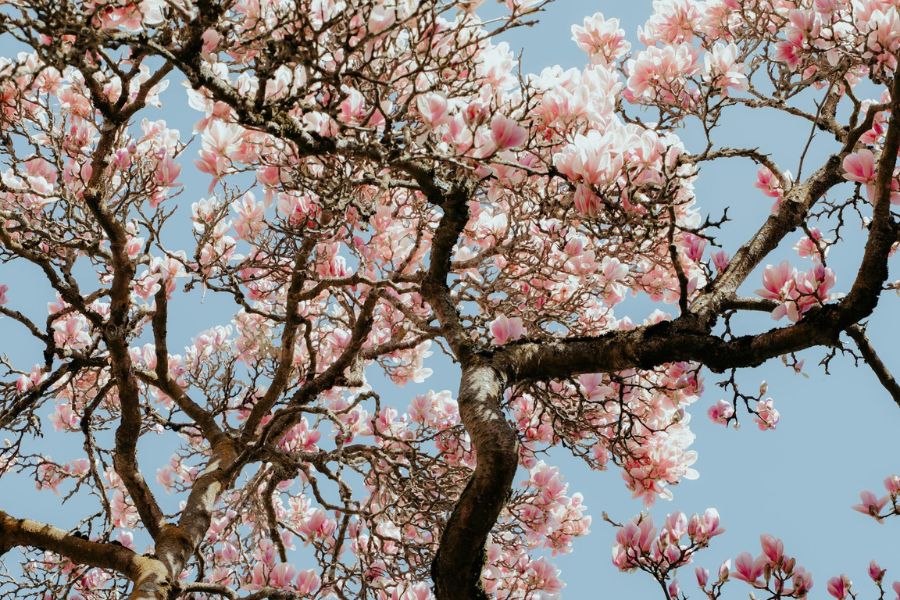
Magnolia tree care starts with understanding how these iconic flowering trees grow and what they truly need to thrive in North Georgia landscapes. At Leaf and Limb Tree Services, our team works with magnolia trees every season, so we’ve seen firsthand what helps them flourish (and what quietly causes problems over time).
To properly care for a magnolia tree, focus on proper planting, consistent watering, healthy soil, appropriate sunlight, and thoughtful pruning while protecting roots and preventing stress. These steps support long-term growth and vibrant blooms.
In this guide, we’ll walk through planting magnolias, sunlight and soil needs, watering and fertilizing, pruning tips, common problems, and long-term care strategies so you can confidently support your trees for years to come.
Magnolia trees are incredibly diverse, with many species of magnolias suited to different climates and yard conditions. Some varieties thrive in warmer regions, while others handle cooler temperatures better. Understanding your tree’s environment is the foundation of good tree care.
Magnolias can be deciduous or evergreen, which affects how they grow and how you care for them. Deciduous trees like the star magnolia and saucer magnolia lose their leaves each year, while evergreen magnolias such as magnolia grandiflora and the southern magnolia tree keep their foliage year-round.
In North Georgia, we often help homeowners care for both evergreen tree varieties and deciduous trees. Over the years, our experience has shown that tailoring care to the specific magnolia species makes a dramatic difference in health and flowering.
Planting magnolias correctly is one of the most important steps in magnolia tree care. Many issues we see later (weak growth, poor flowering, stress, etc) trace back to improper planting.
When choosing a location, look for full sun or partial shade. Most magnolias prefer full sun or partial light, though some varieties tolerate more shade than others. The ideal spot should have well-draining soil and enough space for the tree’s mature size and root systems.
Key planting tips:
Our customers often ask whether magnolias are good for mixed landscapes with trees and shrubs. The answer is yes, but spacing is crucial to prevent competition for nutrients and water.
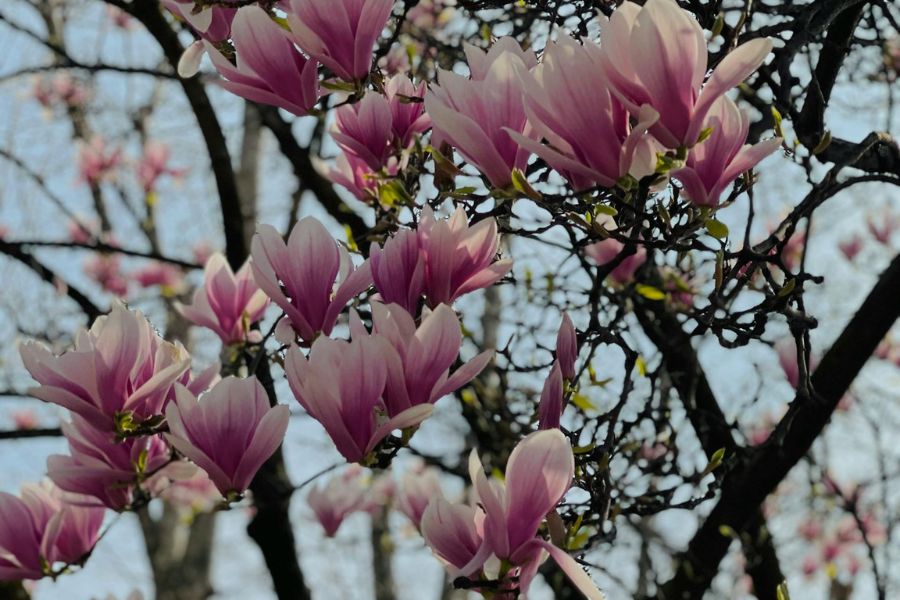
Magnolias prefer slightly acidic, nutrient-rich soil. Poor soil conditions can limit flowering and slow growth, especially in young trees.
A slow-release fertilizer applied in early spring can support steady growth without overwhelming the tree. We often tell our clients that magnolias respond better to gradual feeding than heavy fertilization.
Helpful soil care practices include:
In our work across North Georgia and South Carolina, we’ve seen that consistent soil care is one of the most overlooked aspects of care for magnolia tree health.
Proper watering is essential for magnolia tree care, especially during the first few years after planting. Young magnolias need regular moisture while their root systems establish.
General watering guidelines:
Magnolias are sensitive to both overwatering and underwatering. Over the years, our experience has shown that inconsistent watering is one of the most common causes of declining magnolia health.
Pruning is an important part of care for magnolia trees, but timing and technique matter. Unlike many flowering trees, magnolias do not require heavy pruning.
The best time to prune is typically after flowering or during the dormant season, depending on the variety. Light pruning helps remove dead, damaged, or crossing branches while maintaining the tree’s natural shape.
If you’re unsure about pruning, professional guidance can prevent accidental damage. Many homeowners explore resources like best time to trim trees in Georgia to better understand timing and techniques.
Magnolia root systems are relatively shallow and sensitive to disturbance. Construction, soil compaction, and improper landscaping can harm roots and weaken the tree.
To protect roots:
We often tell property owners that root damage is one of the hidden causes of leaning or unstable trees. Learning more about why trees lean can help identify early warning signs.
Even with good care, magnolias can experience issues that affect growth and appearance. Recognizing problems early can prevent serious damage.
Common issues include:
When a magnolia shows signs of decline, it’s important to assess overall tree health. Homeowners sometimes find it helpful to review resources like how to know when a tree is dead to understand warning sign.s
Magnolia care changes slightly throughout the year. Adjusting your approach by season helps maintain consistent health and beauty.
In early spring, focus on fertilization, pruning if needed, and monitoring new growth. Summer care involves watering and stress prevention, while fall is ideal for mulching and preparing the tree for cooler weather. Winter is often a time for structural assessment and minimal intervention.
Understanding the dormant season for trees can help you plan maintenance without disrupting growth cycles.
There are many varieties of magnolias, each with unique characteristics. Selecting the right type for your property makes ongoing care easier and more effective.
Popular options include:
When designing landscapes with flowering trees, we often recommend considering both aesthetic goals and long-term maintenance needs. Over the years, our experience has shown that the right species choice can reduce pruning, watering, and pest issues significantly.
Magnolias can live for decades when properly maintained. Consistent care, early problem detection, and thoughtful planning are the keys to long-term success.
For homeowners managing multiple trees, understanding broader tree care principles can make a big difference. Resources like how to find a good tree removal service can also be valuable when trees become hazardous or unmanageable.
At Leaf and Limb Tree Services, we’ve worked with countless magnolias across North Georgia. Our customers often ask how to balance DIY care with professional support. The answer is simple: routine maintenance can be handled at home, but structural, safety, or health concerns are best evaluated by experienced arborists.
By following these magnolia tree care practices, you can protect your trees, enhance your landscape, and enjoy the stunning blooms that make magnolias one of the most beloved trees in the South.
Thank you for considering Leaf and Limb for all of your tree care needs. We look forward to working with you and helping to create a beautiful, healthy landscape for your home or business.
