
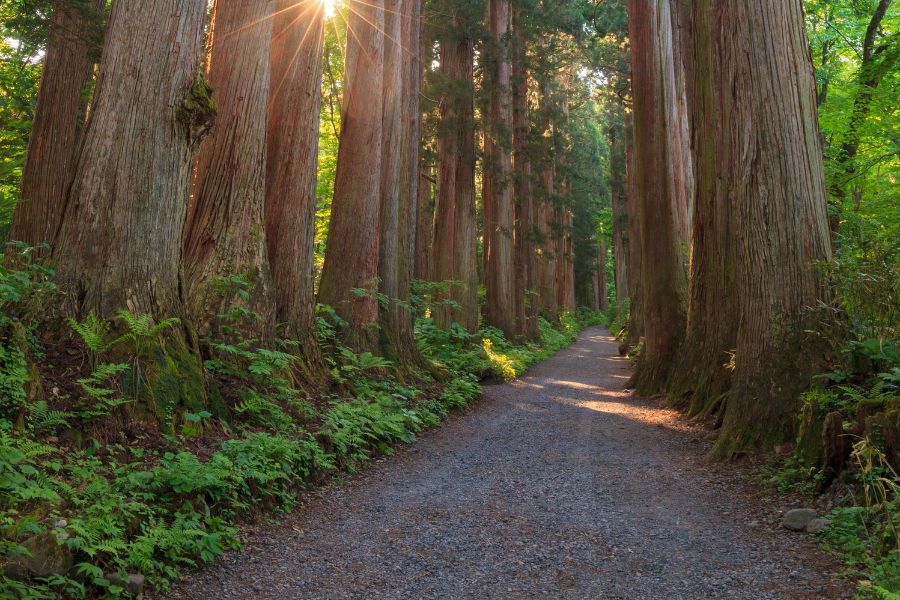
If you’ve got cedar trees on your property, you already know how much character they add. Whether you’ve planted trees for privacy, shade, or simply because you love that fresh cedar scent, caring for them properly keeps them strong and beautiful for decades.
Best practices for cedar tree care:
In this article, you’ll learn how to water cedar trees properly, choose the right soil and sunlight, apply mulch effectively, prune at the right time, and recognize common problems—all to keep your cedars thriving year-round.
Cedar trees are evergreen conifers, meaning they stay green year-round and provide a natural screen even in winter. They’re hardy, drought-tolerant, and low-maintenance once established. You’ll most often find Eastern Red Cedar and Atlas Cedar in this region. Both prefer well-drained soils and are resistant to many local pests—but that doesn’t mean they’re maintenance-free.
Knowing a bit about your cedar’s needs helps you avoid the most common problems homeowners run into: browning needles, poor growth, or fungal diseases.
Cedar trees don’t like “wet feet,” meaning they prefer well-drained soil. Overwatering is a much bigger problem than underwatering once the tree is mature.
Here’s a quick guide:
To check if your tree needs water, stick your finger or a screwdriver into the soil about 4–6 inches deep. If it’s dry, give it a good soak.
If you’re noticing significant browning or branch dieback, review our post on warning signs of a falling tree to learn how to spot potential hazards early.
Cedar trees thrive in full sun—they need at least six hours of direct sunlight each day. They’ll tolerate some partial shade, but too much shade can lead to sparse growth and thinning lower branches.
As for soil, cedars prefer:
If your property’s soil is heavy clay—common in Georgia—you can improve drainage by amending with compost or sand when planting.
Mulch is one of the easiest ways to care for cedars and keep them healthy. It helps retain moisture, regulate soil temperature, and prevent weed competition.
How to mulch cedars:
Mulching also keeps mowers and trimmers from nicking the trunk—a surprisingly common cause of cedar tree stress.
Most cedar trees don’t need much fertilizer, but poor soil or visible yellowing can signal a nutrient imbalance.
If you decide to fertilize:
Avoid over-fertilizing—too much nitrogen can lead to soft, weak growth that’s more vulnerable to pests.
A little pruning goes a long way in cedar tree care. The key is timing and technique.
Best time to prune:
Late winter or early spring, before new growth begins.
What to prune:
If your cedars have grown too large for the space or you need professional shaping, a local tree service in North Georgia can help with selective trimming while keeping the tree’s natural shape intact.
Even though cedars are hardy, a few issues can show up—especially during long wet periods or if airflow is poor.
A bright orange, gelatinous fungus that shows up in spring. It spreads between cedar and apple or crabapple trees.
What to do: Prune infected twigs, remove nearby junipers that might host the fungus, and consider a fungicide in early spring if the problem repeats yearly.
You might notice small, cone-shaped “bags” hanging from branches. Inside are caterpillars feeding on the needles.
Solution: Remove the bags by hand in winter before the larvae hatch, or use a biological control like Bacillus thuringiensis (Bt) if infestation is heavy.
Often caused by drought stress, compacted roots, or poor drainage.
Fix: Check watering habits, aerate compacted soil, and avoid piling mulch too close to the trunk.
You can learn more about identifying structural problems by reading why your trees are leaning, a guide to diagnosing balance and root issues.
Cedar tree care looks a bit different depending on the tree’s age.
Keeping track of seasonal needs helps your trees stay resilient year-round.
Spring
Summer
Fall
Winter
If you’re unsure when to prune, our article on the best time to trim trees in Georgia can help you plan your seasonal maintenance.
Many homeowners in North Georgia handle basic tree care themselves, but professional help can make a big difference for larger or mature cedar trees—especially if they’re near structures or showing stress.
You might want to call in a local tree care service if:
A certified arborist or experienced local tree team can assess the health of your cedars, prune them safely, and recommend soil or pest treatments to keep them thriving.
With the right balance of full sun, drained soil, and a little seasonal attention, cedar trees can live for decades—often over a century. They’ll reward you with dense evergreen beauty, year-round privacy, and that unmistakable cedar aroma.
Whether you’ve got a single ornamental cedar or a long privacy hedge, taking the time to care for cedars properly keeps your landscape looking vibrant and healthy.
If you’re ever unsure about how to prune or treat your cedar, our North Georgia tree care team is always happy to help. We can evaluate your trees, recommend the right plan, and make sure your cedars continue to thrive for years to come.
Thank you for considering Leaf and Limb for all of your tree care needs. We look forward to working with you and helping to create a beautiful, healthy landscape for your home or business.
