
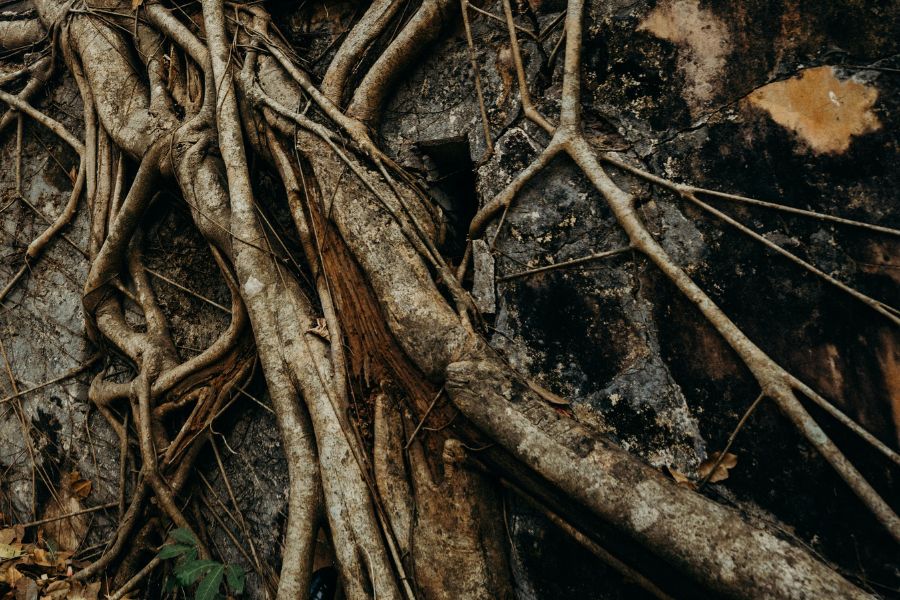
Tree roots can become a major issue when they spread too close to driveways, foundations, or underground pipes. Though we offer these services ourselves, our local customers sometimes choose to safely learn how to destroy tree roots on their own.
If the job isn't too big, this can be a perfectly acceptable way to save some money on your property's upkeep!
To get rid of tree roots, you can use several methods depending on the size and location of the problem roots. Cutting and removing smaller roots manually works well, while larger or stubborn roots may require chemical treatments such as Epsom salt or herbicides.
Always take care to avoid harming nearby vegetation or underground structures. In this article, we’ll cover when and how to kill tree roots, how to remove them after cutting down a tree, and the pros and cons of different removal methods.
Tree roots naturally seek water and nutrients, but when they grow too close to your home or yard structures, they can become a serious concern. Large roots can lift sidewalks, crack driveways, or even interfere with plumbing lines. Some species develop surface roots that spread widely, creating tripping hazards and competing with your lawn for moisture.
If you’ve already removed the tree, the remaining root system can continue to send up new shoots. Without proper treatment, these roots may keep growing or sprouting for years. See our article on the dangers of dead trees for further explanation on how lingering root systems can still pose risks even after the tree is gone.
For smaller or more manageable roots, physical removal is often the most direct approach. Here’s how to do it safely:
Manual methods work best when dealing with young trees or small-diameter roots. For older, large trees, cutting roots can be more challenging and may require professional help. If your tree shows instability after cutting roots, you may also want to review the warning signs of a falling tree.
A common and environmentally friendly way to destroy tree roots is by using Epsom salt. This method dehydrates the roots gradually, preventing regrowth without harsh chemicals.
Steps to apply Epsom salt:
It may take several weeks or months for the roots to die completely, depending on the size of the tree and root system. This process works best after removing the tree, as it targets the remaining root ball.
In some cases, natural methods aren’t enough—especially when dealing with large tree roots or fast-spreading species. Herbicides such as glyphosate can effectively kill the root system, but they must be used carefully.
Apply the herbicide directly to freshly cut roots or drill holes in the stump and pour it in. Avoid spraying the surrounding area to prevent harming nearby plants. Always follow label instructions and local environmental guidelines before applying chemicals.
For stubborn or invasive species, repeated applications may be necessary. Professional tree care experts can determine the safest chemical treatments for your specific situation.
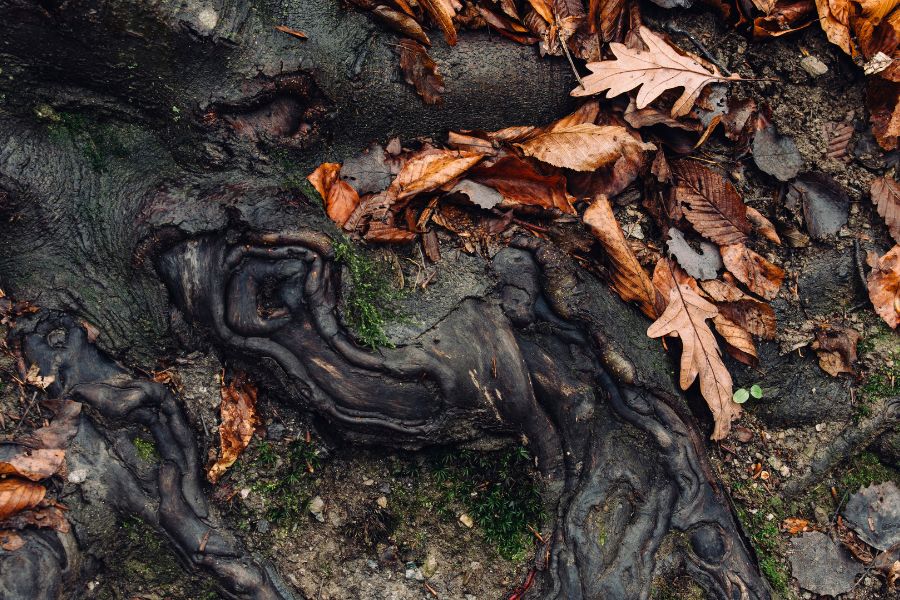
While small tree roots can often be handled by homeowners, extensive or deep root systems may require help from a tree care specialist. Professionals have access to stump grinders, root barriers, and excavation tools that can remove roots efficiently and safely.
If your tree is leaning or positioned near a structure, it’s worth reading how to remove trees leaning on other trees, power lines, or houses for guidance on safe removal practices.
Hiring a professional also reduces the risk of damaging underground utilities or nearby trees. If you’re unsure whether it’s safe to cut or remove roots, a certified arborist can assess the situation and recommend the best course of action. If cost is a factor, see our article on the average cost of tree removal for a better idea of what to expect when hiring a professional.
Once you’ve removed the unwanted roots, it’s important to prevent new issues from forming. Here’s how:
Taking these precautions can help you avoid future root-related problems and keep your landscape thriving.
Destroying tree roots doesn’t have to mean harming your yard or the environment. Whether you’re cutting them manually, using Epsom salt, or applying herbicides, choosing the right method depends on the size and severity of the problem. When in doubt, it’s always safer to consult a professional tree service to ensure the job is done right.
Thank you for considering Leaf and Limb for all of your tree care needs. We look forward to working with you and helping to create a beautiful, healthy landscape for your home or business.
